Overgrowth Control Across Uneven Acreage
Bush Hogging / Tractor Mowing in Fort Meade for thick grass and brush growth across pastures and rural land
Unchecked vegetation on rural acreage creates fire hazards, reduces property usability, and provides habitat for pests like ticks and rodents. Thick grass, weeds, and brush growth overtake pastures within weeks during Florida's growing season, especially after summer rains accelerate regrowth. K Hammock Enterprises operates tractor-mounted bush hog equipment that cuts through dense vegetation, saplings, and uneven terrain across properties in Fort Meade, maintaining large fields and open land that standard lawn mowers cannot handle.
Bush hogging uses a heavy rotary cutter pulled behind a tractor, designed to handle rough ground, rocks, and woody growth that would damage lighter mowing equipment. The cutting deck processes thick stems and tangled growth in a single pass, reducing vegetation to a manageable height that prevents reseeding and slows regrowth. This works on flat pastures, sloped fields, and areas with stumps or debris that remain after previous clearing.
Arrange a site visit to assess acreage, vegetation density, and mowing frequency needs.
What Proper Bush Hogging Accomplishes
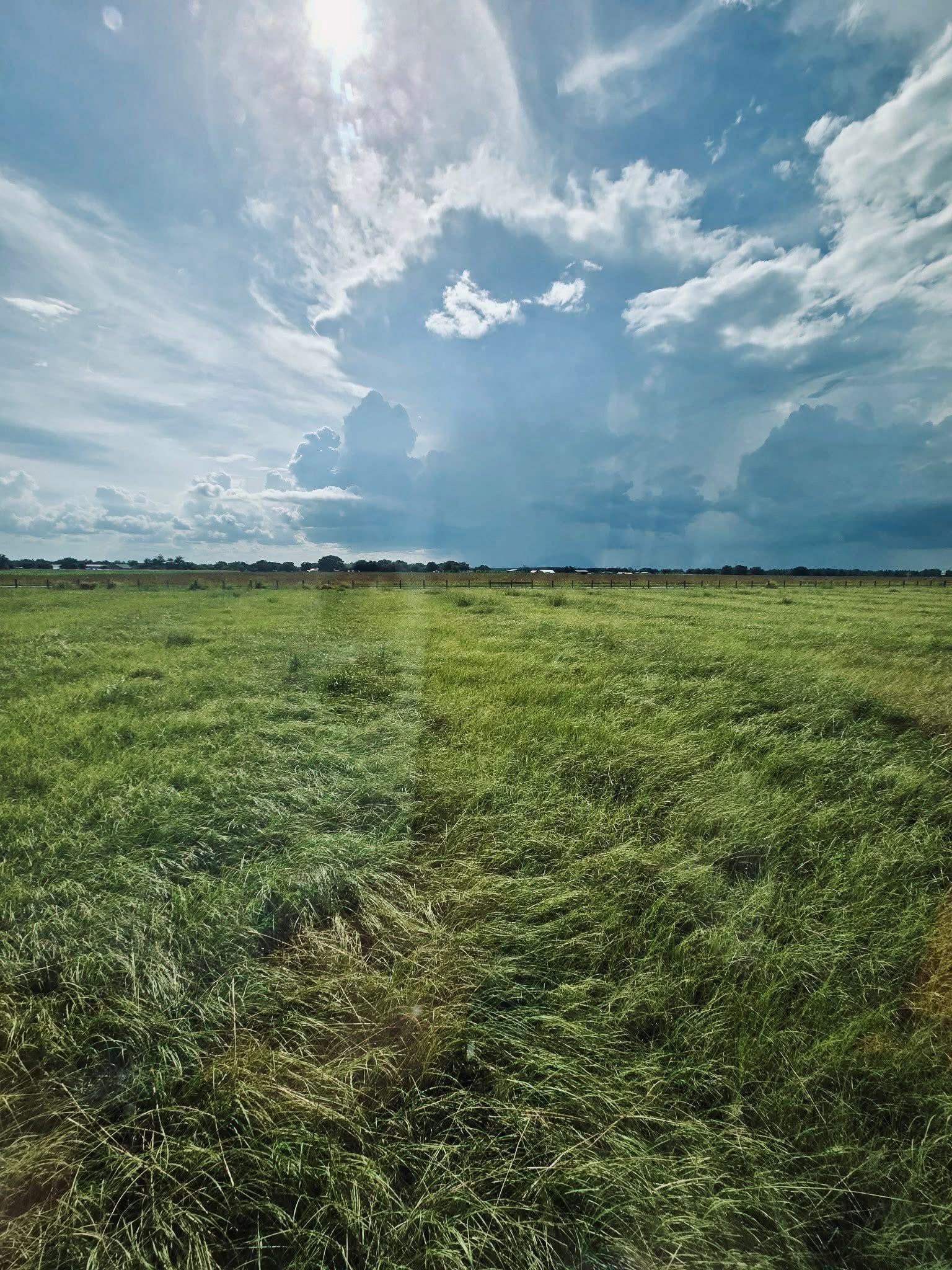
Regular mowing prevents vegetation from maturing into woody brush that requires more intensive clearing methods. Cutting growth before seed heads develop reduces the spread of invasive species and noxious weeds that would otherwise dominate pastures or fallow fields. The process also breaks up thatch and dead material, improving air circulation and reducing fungal growth that thrives in Florida's humid conditions.
After bush hogging, you'll notice clear sightlines across your property, reduced tick and snake habitat, and improved access for equipment or livestock rotation. Fields transition from impassable thickets to maintained acreage where fences, gates, and irrigation systems become visible and accessible for repair or adjustment. Seasonal mowing prevents fire hazards by eliminating dry fuel loads that accumulate during dormant periods, which is critical for properties near wooded areas or those subject to wildfire risk.
Recurring maintenance schedules keep pastures usable year-round, with mowing frequency adjusted based on rainfall, growth rates, and whether the land supports livestock or remains fallow. Properties with uneven terrain or wet areas require operator judgment to avoid rutting or equipment damage while still achieving consistent cutting height across variable ground conditions.
Questions Before Starting Your Project
Bush hogging questions often focus on equipment capabilities, mowing frequency, and how the service differs from standard lawn care.
What height does bush hogging cut vegetation down to?
Cutting height typically ranges from several inches to over a foot depending on terrain and equipment settings, with the goal of managing growth rather than creating a lawn-like finish on rough or uneven acreage.
How often should pastures be mowed to prevent overgrowth?
Mowing frequency depends on rainfall and growth rates, but most Fort Meade properties benefit from cutting every four to eight weeks during growing season to prevent vegetation from reaching heights that harbor pests or create fire risk.
Can bush hogging handle areas with rocks or debris?
Bush hog cutters are built to withstand impacts from rocks, stumps, and debris that would destroy lighter mowing decks, though large obstacles may require removal or avoidance to prevent equipment damage or operator safety issues.
What happens to cut vegetation after mowing?
Cut material is left on the ground to decompose, adding organic matter to the soil, though heavy growth may leave thick piles that slow decomposition or smother underlying grass if not spread or removed.
When is the best time to schedule mowing for fire hazard reduction?
Mowing before dry season removes fuel loads that ignite easily, reducing wildfire risk on properties with accumulated dead vegetation or those located near wooded areas prone to lightning strikes or controlled burns.
K Hammock Enterprises evaluates your property's size, terrain, and vegetation type to recommend a mowing approach that maintains usability and reduces hazards. Contact us to discuss acreage requirements and establish a maintenance schedule suited to your land use.