Fields Prepared for Consistent Germination
Land Rolling & Field Conditioning in Fort Meade for uneven ground after tilling or planting
Soil left loose and uneven after disking or seeding creates air pockets that dry out seeds and prevent uniform germination, and the rough surface makes equipment bounce and skip sections during subsequent field operations. Land rolling presses the soil firmly around seeds, eliminates voids where roots would hang in open space instead of contacting moisture, and levels the surface so planting equipment or mowing machinery can operate at consistent depth without scalping high spots or missing low areas.
K Hammock Enterprises provides land rolling and field conditioning services in Fort Meade to stabilize freshly worked soil and improve seed establishment after planting. The process uses a weighted roller to compress the top layer without creating the hard compaction that blocks water infiltration, firming the seedbed just enough to press seeds into contact with soil particles while maintaining the pore structure needed for air exchange and root growth.
Request a field assessment to determine whether your soil condition and planting method require rolling for better seed germination and surface consistency.
How Field Conditioning Addresses Uneven Germination
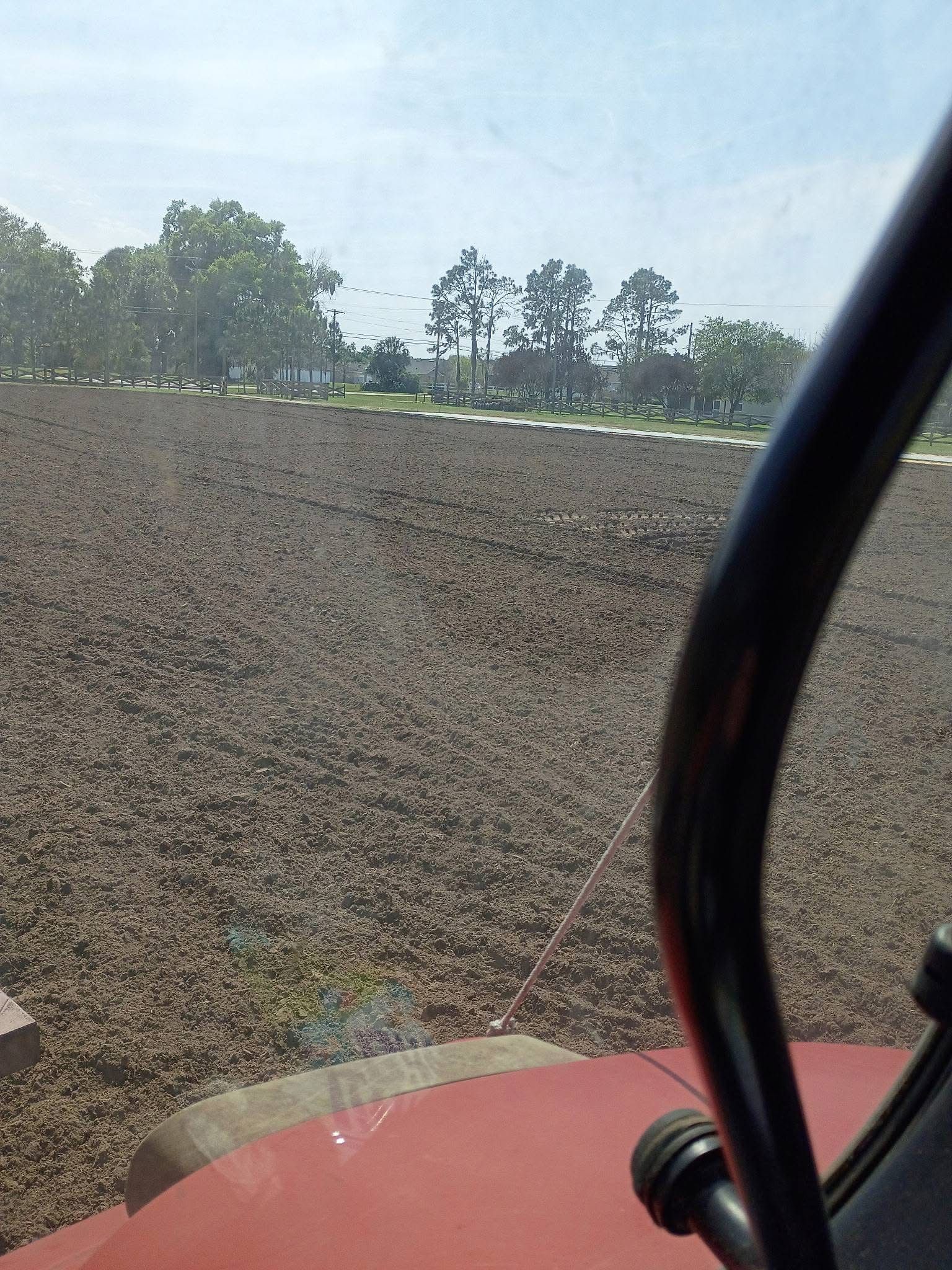
The rolling process firms the soil so seeds sit in contact with moisture rather than suspended in air pockets, and it levels out the clumps and ridges left by tillage equipment so the field surface doesn't trap seeds in low spots where they drown or leave them exposed on high points where they dry out. Rolling works best when soil moisture is adequate but not saturated, because dry soil won't compress properly and wet soil turns into dense layers that block root growth.
After rolling, the field surface will be smooth enough for equipment to travel without bouncing, and you'll see more uniform germination because seeds across the entire field have similar soil contact and moisture access instead of patchy establishment where only low spots caught enough moisture. The firmed soil also reduces wind erosion on sandy ground and prevents lightweight seeds from blowing away before they germinate and anchor with roots.
The service is typically performed immediately after seeding for pasture establishment or following disking when preparing fields for row crop planting. Rolling too early, before seeds are planted, allows the soil to dry into a crust that blocks seedling emergence, while rolling too late, after seedlings have emerged, can damage fragile shoots and compact soil around developing roots.
Common Questions About This Service
Landowners establishing crops or pastures often need to understand how rolling affects soil structure and seed establishment.
What's the difference between rolling and compacting soil?
Rolling firms the top layer to press seeds into contact with soil moisture and smooth the surface for equipment operation, while compaction creates dense layers that block water infiltration and root penetration—proper rolling maintains enough pore space for air exchange and drainage.
When should rolling be done after seeding?
Rolling works best immediately after planting, when seeds need firm contact with soil but haven't yet germinated, because rolling after emergence can damage fragile seedlings and compact soil around their developing root systems.
Does rolling help with erosion control in Fort Meade?
Firming the soil surface reduces wind erosion on sandy ground and slows water runoff enough to prevent lightweight seeds from washing away during the intense thunderstorms common in Central Florida during summer planting seasons.
How does rolling improve germination rates?
Seeds pressed into firm contact with soil particles absorb moisture consistently, while seeds suspended in air pockets dry out between rainfalls and germinate unevenly or not at all, leading to patchy stands that require replanting or leave bare spots vulnerable to weed invasion.
Can rolling be done on all soil types?
Sandy soils benefit most from rolling because they dry out quickly and don't naturally firm around seeds, while heavy clay soils may become over-compacted if rolled when too wet, creating a sealed surface that blocks seedling emergence and water infiltration.
K Hammock Enterprises evaluates soil moisture and field condition to determine the right timing and equipment weight for rolling that improves germination without creating compaction problems. Schedule an on-site review to assess whether your field would benefit from rolling after seeding or tillage work.