
Coverage That Actually Establishes Stand
Seeding & Hydroseeding Services in Fort Meade for bare soil areas and erosion-prone slopes
Bare soil exposed after land clearing, construction work, or pasture failure loses topsoil to erosion and develops weed problems when desirable vegetation doesn't establish quickly enough. K Hammock Enterprises handles seeding and hydroseeding services in Fort Meade using methods matched to the site condition, soil type, and coverage goals. Hydroseeding applies seed, mulch, and tackifier in a slurry that holds moisture and keeps seeds in place on slopes and uneven ground, while traditional seeding works for flatter fields where equipment can achieve consistent depth and seed-to-soil contact.
The hydroseeding mixture coats the soil surface with a layer that protects seeds from washing away during Florida's intense afternoon thunderstorms and holds moisture against the seed during germination. The mulch in the slurry creates a microclimate that moderates soil temperature and reduces the crust formation that prevents seedlings from emerging, which matters in Fort Meade's sandy soils that dry out quickly and turn hard after heavy rain. Traditional seeding uses broadcast or drill methods depending on whether you're establishing pasture, restoring agricultural fields, or covering residential land after grading work.
Arrange a site consultation to evaluate soil condition and determine which seeding method provides the coverage and erosion control your property needs.
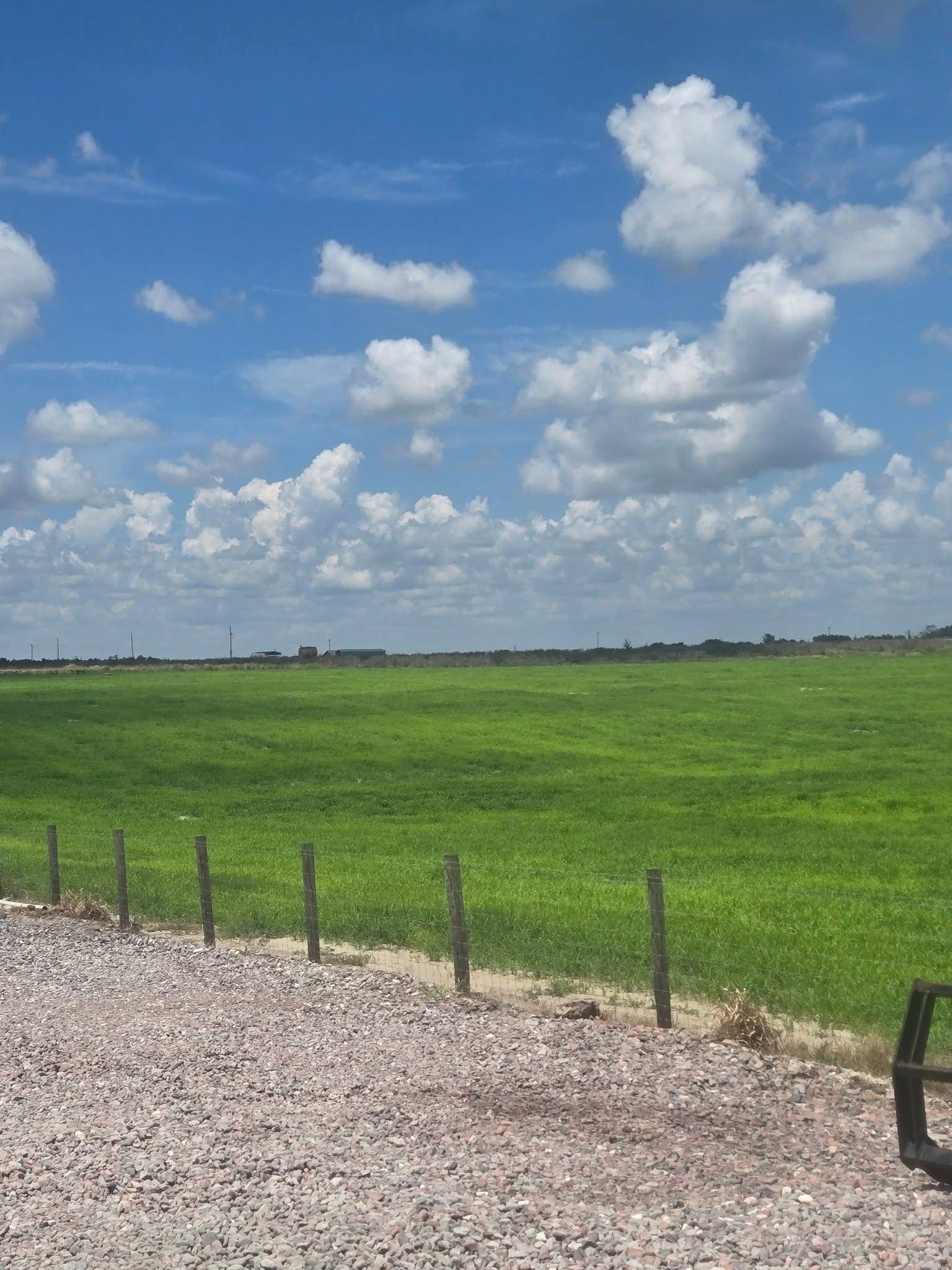
What You Notice Once Vegetation Establishes
The seeding process selects seed varieties based on whether you're establishing pasture for grazing, planting cover crops for soil health, or covering bare areas to stop erosion. Hydroseeding covers the ground with a visible green-tinted layer that shows where the application was made and holds seeds in place even on slopes up to 3:1 where broadcast seeding would wash away before germination.
Once the grass or cover crop establishes, you'll see uniform green coverage instead of patchy bare spots, and the soil will stay in place during rainstorms instead of washing into ditches or low areas. The root system holds the soil structure together, and the vegetation slows runoff so water has time to soak in rather than cutting erosion channels across the slope.
Seasonal planting timing affects germination speed because grass seed needs consistent soil moisture and warm temperatures to sprout and develop roots. Spring and fall planting windows work best in Central Florida, while summer seeding requires irrigation to keep moisture consistent during the establishment period, and winter seeding produces slow germination that leaves soil vulnerable to erosion for longer periods.
Answers to Frequent Service Questions
Property owners establishing new vegetation or controlling erosion on bare ground often want to know how the process works and what results to expect.
What's the difference between hydroseeding and traditional seeding?
Hydroseeding applies seed in a slurry with mulch and tackifier that sticks to slopes and holds moisture, making it effective for erosion control and uneven terrain, while traditional broadcast or drill seeding works well on prepared, relatively flat fields where equipment can achieve consistent seed depth and coverage.
How long does it take for grass to establish?
Germination typically starts within seven to fourteen days depending on seed variety, soil temperature, and moisture, but full establishment with a root system strong enough to hold soil and tolerate traffic takes six to eight weeks under good growing conditions.
What seed types work best for Fort Meade conditions?
Bahiagrass handles sandy soil and drought stress well for pasture and erosion control, while bermudagrass provides denser coverage for higher-traffic areas, and annual ryegrass works as a fast-establishing cover crop for winter soil protection and organic matter production.
Does hydroseeding work on steep slopes?
The tackifier in the hydroseed mixture holds the slurry in place on slopes where broadcast seed would wash away before germinating, and the mulch layer protects against raindrop impact that dislodges seeds and erodes bare soil during establishment.
What preparation does the site need before seeding?
Soil should be loosened to allow root penetration, graded to prevent water from pooling or cutting channels, and cleared of debris or dense vegetation that would block seed-to-soil contact or compete with new growth during the establishment phase.
K Hammock Enterprises matches seeding methods and seed varieties to your site condition and land use goals. Contact the team to review your property and develop a planting plan that establishes vegetation and controls erosion effectively.