Material Moved Without Tearing Up Land
Skid Steer & Front-End Loader Work in Fort Meade for grading, material hauling, and tight-access site work
Properties with uneven terrain, material piles that need relocation, or areas too confined for larger equipment require compact machinery that can grade, lift, and move material without damaging surrounding land or structures. Skid steers access narrow spaces between buildings or fences where full-size tractors can't operate, and the attachment system allows the same machine to grade soil, move gravel, remove debris, or lift heavy materials by changing out the bucket, forks, or blade. K Hammock Enterprises handles skid steer and front-end loader work in Fort Meade for site shaping, material transport, and cleanup projects where versatility and tight-area maneuverability matter as much as lifting capacity.
The equipment grades building sites to specified elevations, spreads gravel or soil to create level surfaces, hauls dirt or debris to and from work areas, and shapes drainage swales or access roads on agricultural and residential properties. Front-end loaders lift and transport larger volumes for projects that need more capacity, while skid steers provide precision control in confined areas where larger machines would damage fences, trees, or existing structures.
Arrange a site visit to review the access constraints and material handling requirements for your grading or cleanup project.
What Changes After Site Work Completes
The work moves material where it needs to go, shapes ground to specified contours, and clears debris that blocks construction or limits land use, with the equipment choice and attachment matched to the task. Grading spreads soil to eliminate low spots where water pools and creates high points that direct runoff toward drainage features, while material hauling relocates dirt, gravel, or rock from delivery piles to project areas without the manual labor and time required for wheelbarrow transport.
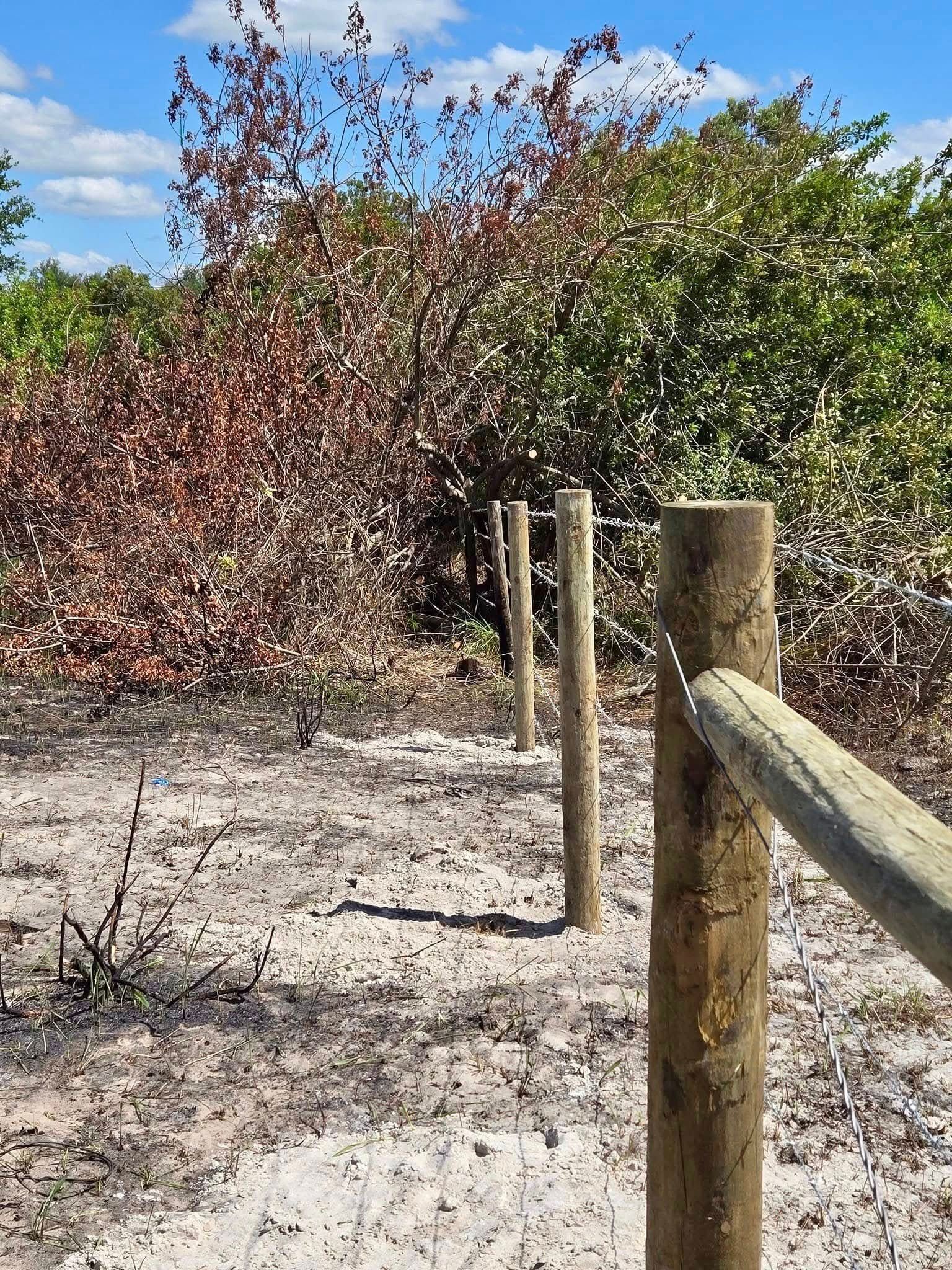
After the site work is finished, the ground will drain properly instead of holding standing water, access roads or work areas will be level and stable enough for vehicle traffic, and material will be positioned where construction or planting work can proceed. Areas that were cluttered with debris, brush piles, or unusable soil will be cleared and ready for the next phase of development or land improvement.
Attachment-based versatility means the machine can perform multiple tasks during a single site visit rather than requiring different equipment for each operation. Bucket attachments move loose material, pallet forks lift and transport heavy items or bagged goods, and grading blades create smooth, sloped surfaces for drainage or finished appearance.
Questions Before Starting Your Project
Property owners planning site work or material handling projects often need to understand equipment capabilities and project logistics before scheduling the work.
What's the difference between a skid steer and a front-end loader?
Skid steers are compact machines that turn within their own footprint and access confined spaces, making them ideal for work between buildings or near fences, while front-end loaders are larger with higher lifting capacity and faster material transport for projects covering more open ground.
How much material can be moved in a day?
Volume depends on haul distance, material type, and site conditions, but typical projects move fifteen to thirty cubic yards of soil or gravel per hour when working on accessible, relatively level terrain without obstacles that slow equipment movement.
Can the equipment work on sloped or uneven ground in Fort Meade?
Skid steers and loaders operate on moderate slopes and uneven terrain common in rural Fort Meade properties, but steep grades, saturated soil, or deep sand may require ground preparation or different equipment to prevent the machine from sinking or losing traction.
What attachments are available for different tasks?
Buckets handle loose material like soil and gravel, pallet forks lift and transport heavy items or equipment, grading blades smooth and slope surfaces for drainage, and specialized attachments address tasks like post-hole digging or brush clearing depending on project needs.
Does site access affect what equipment can be used?
Gate width, overhead clearance, ground stability, and distance to the work area determine whether a compact skid steer or larger loader is appropriate, and sites with narrow access or soft ground may require lighter equipment or temporary ground stabilization to prevent rutting.
K Hammock Enterprises evaluates your site layout, material volume, and project requirements to match equipment and attachments to the work. Call (407) 693-1959 to discuss your grading, hauling, or cleanup project and schedule an on-site assessment.