Vegetation Removal Without Hauling or Burning
Forestry Mulching Services in Fort Meade for overgrown fence lines and fields returning to brush
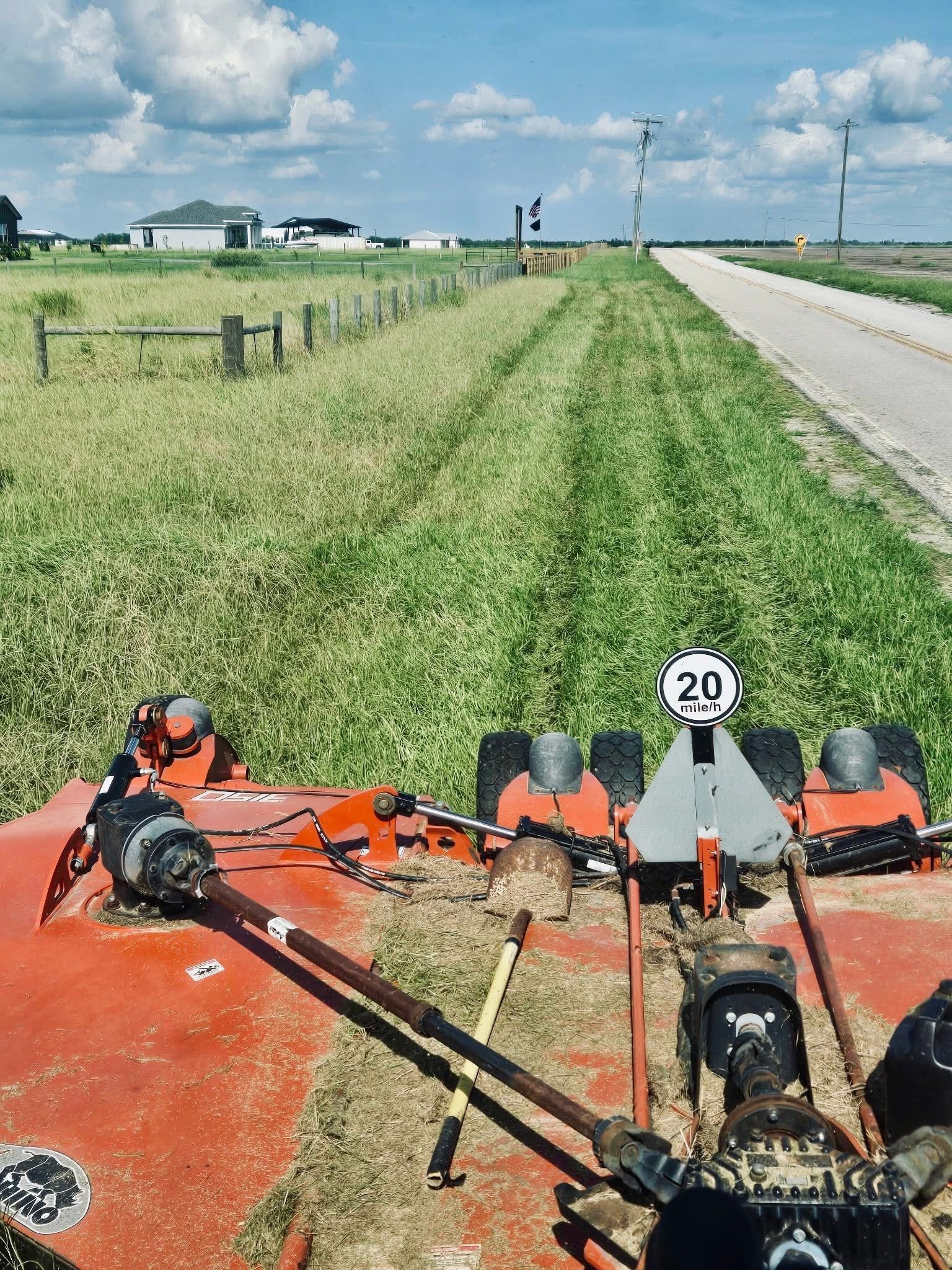
Overgrown fence lines block access and hide property boundaries, while brush-filled pastures reduce usable acreage and harbor pests like ticks and snakes. K Hammock Enterprises uses forestry mulching equipment to clear brush, small trees, and thick vegetation across rural properties in Fort Meade, grinding material into mulch that stays on-site rather than requiring hauling or burn permits. The process cuts through palmetto thickets, invasive saplings, and dense undergrowth that standard mowing equipment can't handle, leaving a layer of organic material that suppresses regrowth and improves soil moisture retention.
Mulching works by grinding vegetation in place with a rotating drum and cutting teeth that process material into chips and shredded matter. This eliminates the need to pile, haul, or burn debris, which is especially valuable in Fort Meade where burn bans and disposal costs make traditional clearing methods impractical. The mulch layer left behind decomposes into the soil, adding organic matter that benefits future plantings or pasture establishment.
Arrange a site review to determine clearing scope and equipment access for your property.
What You Notice Once Mulching Is Finished
Cleared areas transition from impassable thickets to open ground covered with a uniform mulch layer, typically several inches deep depending on vegetation density. Fence lines become visible and accessible for repair or maintenance, and overgrown fields convert into usable acreage without the charred appearance or erosion risk that follows burning. The mulch layer also reduces dust compared to bare soil and slows the return of invasive species that would otherwise resprout within weeks.
You'll notice improved sightlines across your property, easier access for equipment or livestock, and reduced tick and mosquito habitat as standing brush and shaded undergrowth disappear. K Hammock Enterprises adjusts mulching depth and coverage based on whether you plan to seed pasture, install fencing, or leave the area as cleared woodland. Properties with mixed vegetation—including hardwoods, palmettos, and vines—require multiple passes to process trunks and root masses completely.
Mulching works best on vegetation up to several inches in diameter; larger trees may require cutting and removal before mulching begins. Wet or saturated ground during Florida's rainy season can limit equipment mobility, so timing the work during drier months prevents rutting and soil compaction.
Common Questions About This Service
Landowners often ask about equipment limitations, regrowth timelines, and how mulching compares to traditional clearing methods.
What size trees can forestry mulching equipment handle?
Most forestry mulchers process vegetation and trees up to six inches in diameter effectively, though denser hardwoods or larger trunks may need to be cut and removed separately before mulching the surrounding brush.
How long does the mulch layer take to decompose?
Decomposition depends on material type and moisture, but most mulch breaks down over several months to a year, adding organic matter to the soil while suppressing weed seeds and invasive plant regrowth during that period.
Does mulching damage existing fences or structures?
Operators maintain clearance around fence posts, utility poles, and buildings, though vegetation growing directly against structures may require hand-cutting to avoid contact with equipment during the mulching process.
When is the best time to mulch overgrown property in Fort Meade?
Dry season months reduce equipment rutting and allow better access across soft or low-lying areas, though urgent projects can proceed year-round with adjustments for ground conditions and recent rainfall.
What happens to stumps and root systems after mulching?
Surface vegetation is ground down, but root systems remain underground and may resprout depending on species; follow-up mowing or herbicide application prevents regrowth if you need the area to stay clear long-term.
K Hammock Enterprises evaluates site conditions and vegetation density before beginning work. Contact the team to discuss acreage, access points, and clearing goals specific to your land.